Programmes for 18 months to 6 years

Two Montessori communities and an after-school club, all on one garden campus in Kota Kemuning.

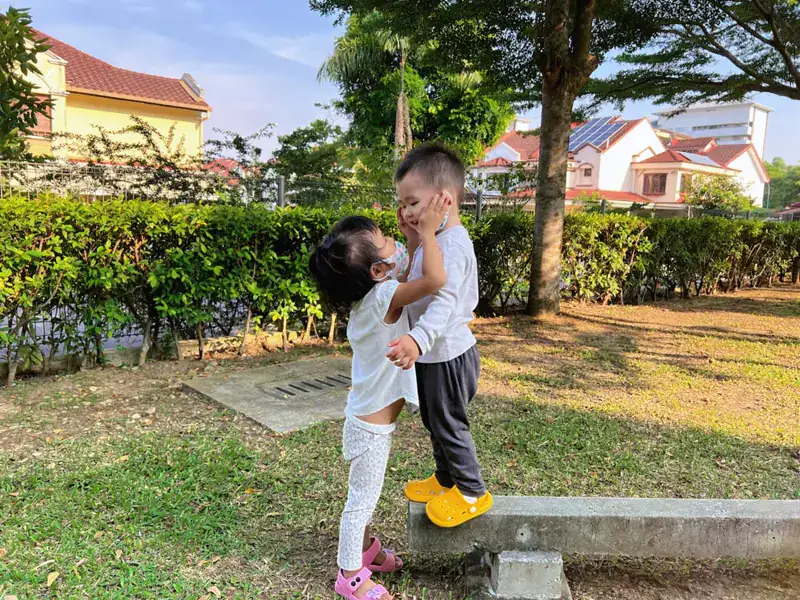
Two toddlers hugging on a garden balance beam
18 to 36 months

Toddler community

A small, calm room built for first independence: low shelves, child-sized tools, and adults who wait while little hands try.

Toddlers practise the things that matter at this age: dressing, washing hands, carrying, pouring and tidying away. Language grows through songs, stories and naming everything around them, and there is time in the garden every day.

Toddler hours, Monday to Friday
Half day8:00 am to 12:00 pm
Full day8:00 am to 3:30 pm
Book a tour
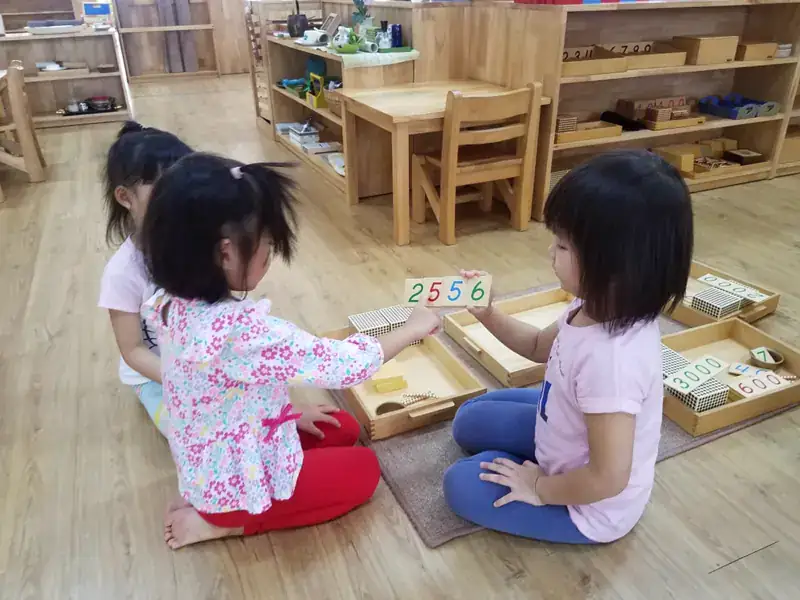
Two girls laying out decimal number cards in the Casa classroom
2½ to 6 years

Casa, the Children’s House

A mixed-age classroom where children stay for three years, moving from watching to doing to teaching.

Each morning begins with a long work period across all five areas of the curriculum. Lessons are given one child at a time, at the moment that child is ready, so a four-year-old reading early and a five-year-old taking their time are both normal.

Casa hours, Monday to Friday
Half day8:00 am to 12:30 pm
Full day8:00 am to 4:00 pm
Book a tour
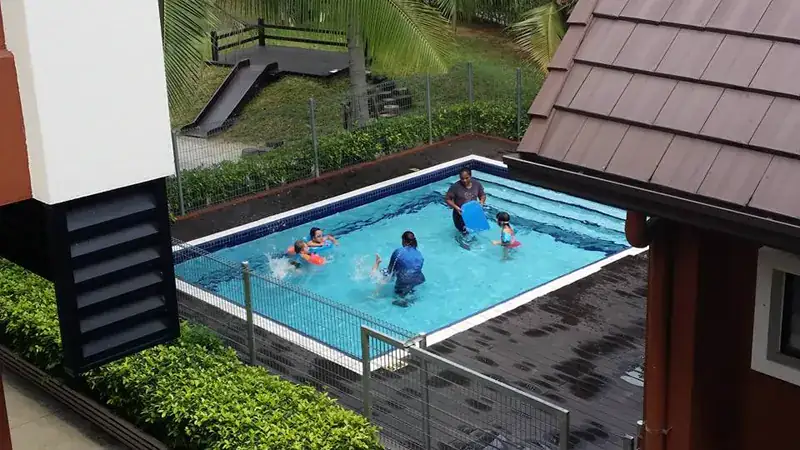
A swimming lesson in the fenced pool on campus
After 4:00 pm

After-school care

A relaxed end to the day on campus, with enrichment classes run by specialist teachers.

After-school hours
Monday to Friday4:00 pm to 6:00 pm
  • Swimming
  • Piano
  • Ballet
  • Kids yoga
  • Art and craft
  • Taekwondo

The five areas of the classroom

Every Casa classroom is arranged in the same five areas. Children move freely between them during the work period.

Practical life

Care of self, care of the environment, and grace and courtesy. Pouring, spooning, washing, sweeping and preparing food build concentration and coordination, and quietly prepare the hand for writing.

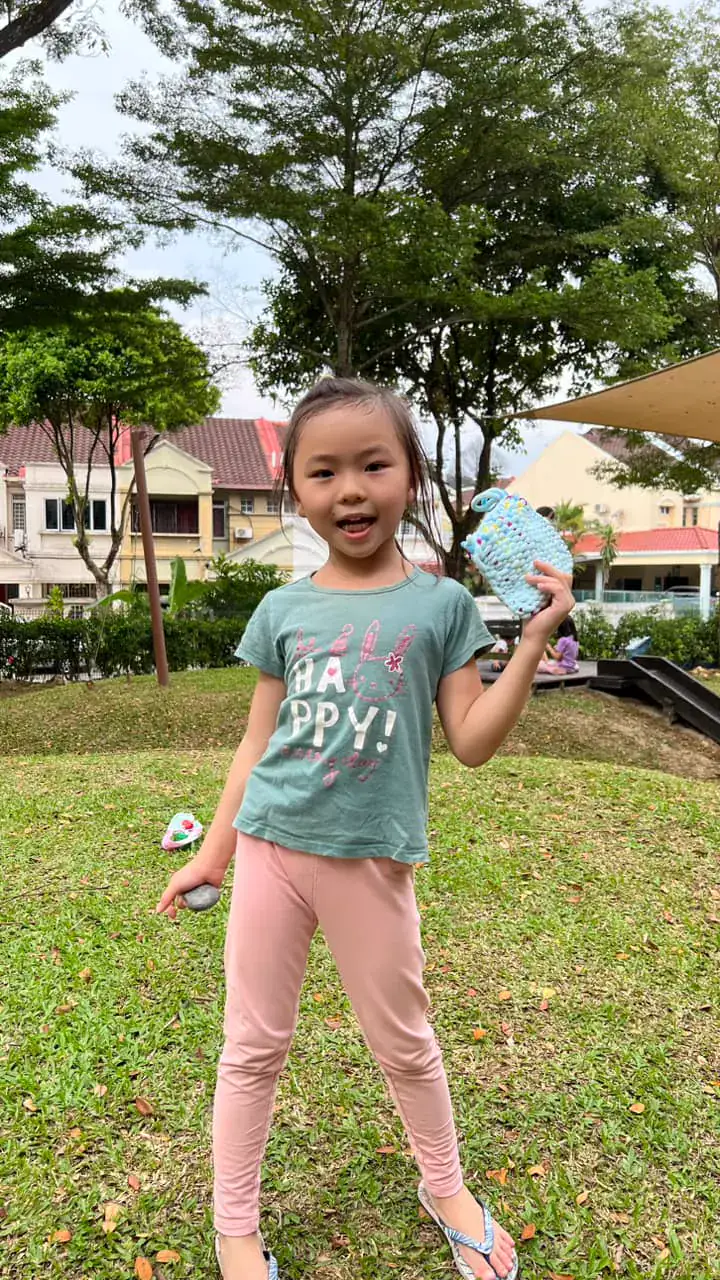
A girl holding up a pouch she sewed herself

Sensorial

Materials that isolate one quality at a time, such as size, colour, weight, sound, smell or texture, from visual work to the stereognostic sense of shape by touch alone.

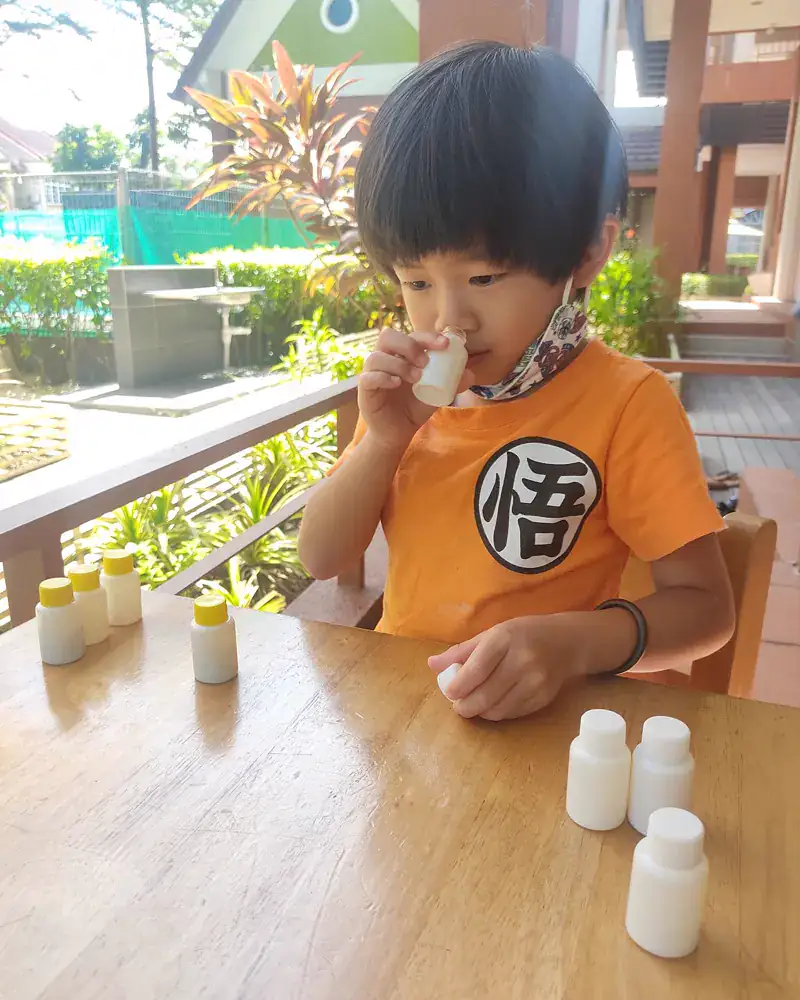
A boy using smelling bottles at a table

Language

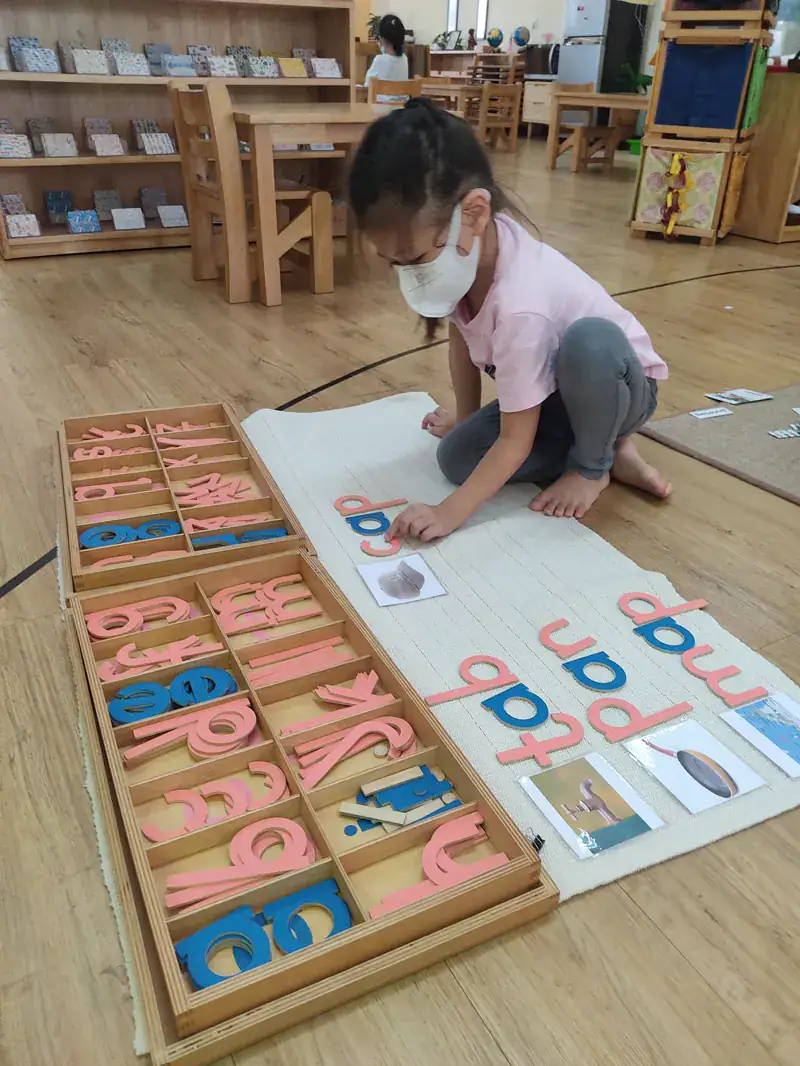
Spoken language and phonics first, then the moveable alphabet, writing and reading, and later grammar. Children meet English and Bahasa Malaysia words in the classroom.

Moveable alphabet letters laid out to build words

Mathematics

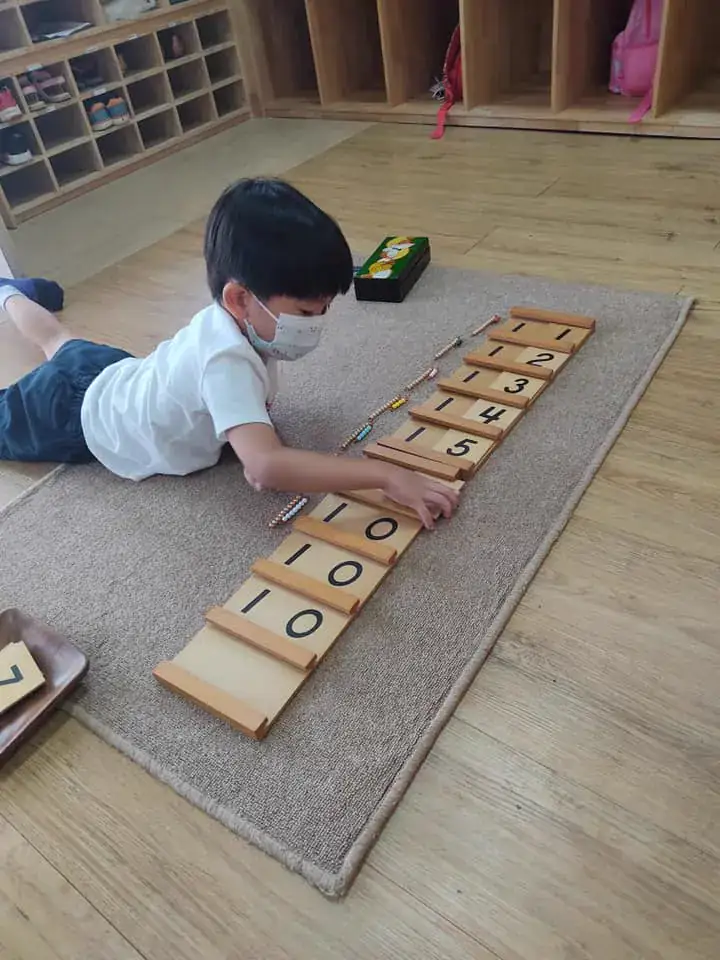
Golden beads, number rods and teen boards, then the four operations and fractions, always moving from something you can hold to something you can write.

A boy lying on a rug placing number tiles in the teen boards

Culture

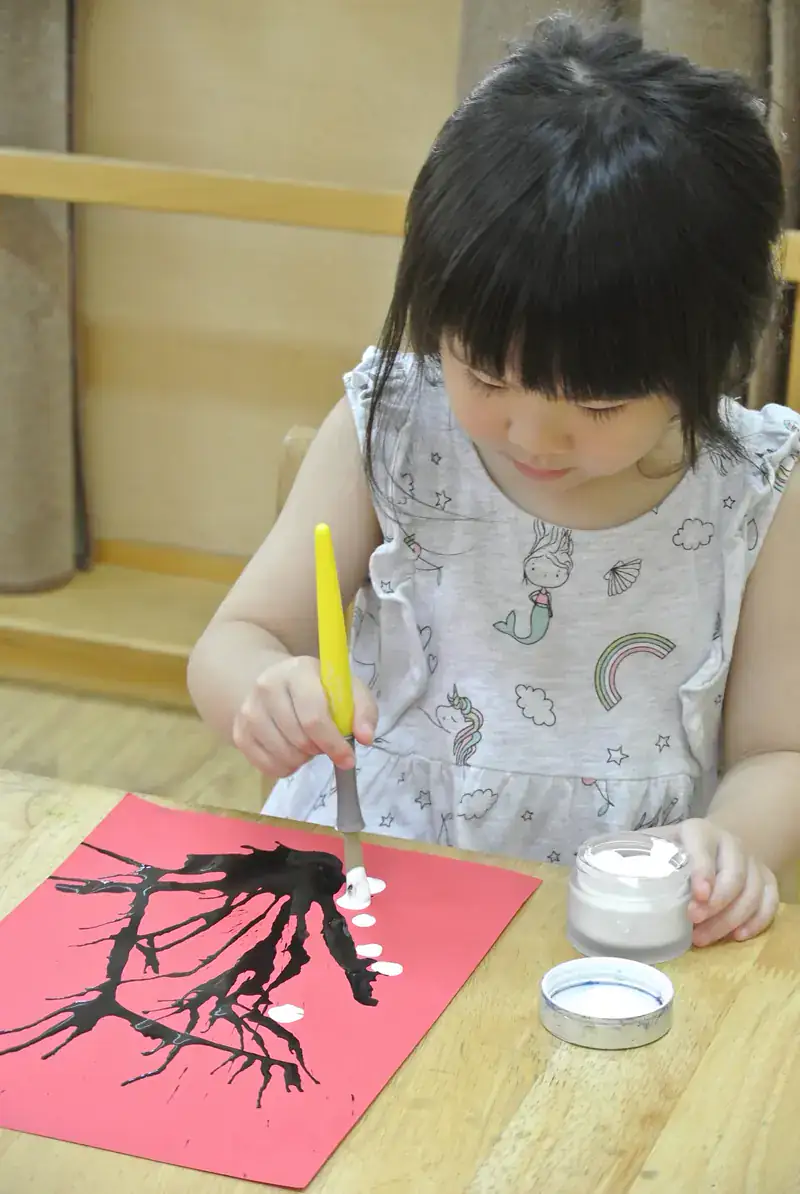
History, geography, astronomy, botany, art, music and movement. The garden and the festivals of a Malaysian year give children plenty to explore.

A girl painting a blossoming branch

Questions parents ask

What does AMI mean?

Association Montessori Internationale, the organisation Maria Montessori founded in 1929 to protect her method. Acacia follows AMI guidelines for materials, classroom set-up and mixed-age groups.

When can my child start?

Admission is year-round, with a waitlist. The first step is always a visit, so you can see a class at work before you decide.

What do I need to apply?

Your child’s birth certificate and a parent’s or guardian’s IC. After your visit we send the application form.

How will I know how my child’s day went?

Guides share a short summary at pick-up and a detailed report on parent–teacher day.

Can my child swim at school?

Yes. Swim lessons in our fenced campus pool are one of the after-school enrichment classes.

Where can I see the fees?

Fees depend on the programme and the hours you choose. Message us on WhatsApp and we will send the current fee schedule.